
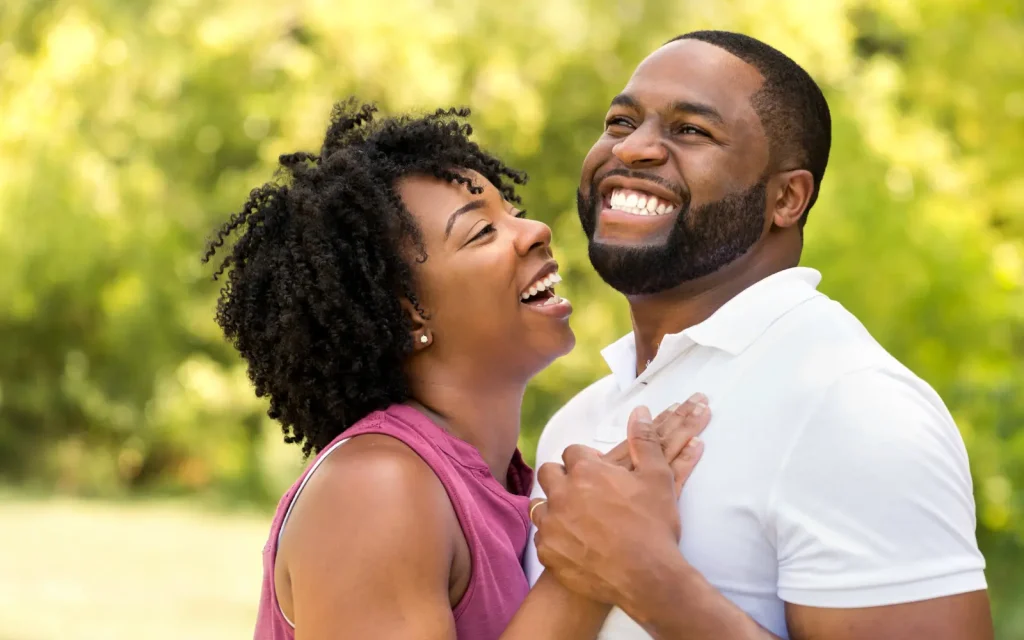
Couples Therapy · Los Angeles & Online California
Marriage Counseling in Los Angeles
— reconnecting starts here
Calm, rooted, compassionate care for Californian couples
Struggling in your marriage?
Marriage counseling gives couples a supportive space to understand what is happening beneath conflict, emotional distance, resentment, or disconnection. Many couples seek therapy when they feel stuck in the same painful conversations, unsure how to repair after hurt, or uncertain how to feel close again after years of stress.
Needing support doesn’t mean the marriage has failed: It often means both partners are trying to make sense of patterns that have become difficult to shift alone. Marriage counseling can help couples slow those patterns down, communicate more honestly, and explore what repair might look like.


Let’s start here
What Is Marriage Counseling?
Marriage counseling is therapy specifically for married couples who want help understanding and changing patterns that are affecting their relationship. It may focus on communication problems, repeated conflict, emotional distance, intimacy concerns, resentment, trust issues, parenting stress, family boundaries, or major life transitions.
Marriage therapy is not only for couples on the edge of separation. Some couples come to Grayslate during a crisis, while others seek support because something feels less dramatic but still painful: less affection, fewer meaningful conversations, more irritability, or a growing sense of loneliness inside the relationship.A marriage counselor helps both partners look beneath the surface issue and identify the emotional pattern taking shape between them. The goal is never to decide who is right or wrong. The goal is to understand what keeps happening, why it hurts, and what might need to change for the relationship to feel safer, clearer, and more connected.
When to Seek Marriage Counseling
Couples often wonder when to seek marriage counseling. There is no single point when a marriage is “bad enough” to deserve support. Therapy can be helpful when the same concerns keep returning, even if both partners care about each other and want the relationship to work.
Signs you may need marriage counseling include:
- Attempts to fix things alone are not creating lasting change
- The same argument keeps repeating without resolution
- Small conversations escalate quickly
- One or both partners withdraw, shut down, or avoid difficult topics
- Resentment is building
- Emotional or physical intimacy has changed
- Trust has been damaged
- You feel more like roommates than spouses
- Parenting, finances, family, or work stress are straining the relationship
- One partner feels unsure about the future

Many married couples do not struggle because they lack love. They struggle because the relationship has developed protective patterns that make closeness harder. One partner may pursue conversation while the other pulls away. One may criticize while the other becomes defensive. Both may feel unseen.
For couples who feel caught in familiar arguments, it may help to understand why couples repeat the same fight and what those repeated conflicts may be trying to reveal.
Common Issues Addressed in Marriage Counseling
Marriage counseling can help with a wide range of concerns, especially when stress, hurt, or disconnection has become part of daily life. Counseling for married couples often addresses both practical disagreements and the emotional meanings underneath them.
Common issues include:
These concerns often overlap. A disagreement about money may also be about safety, control, fairness, or fear. A conflict about household responsibilities may reflect deeper feelings of being unsupported or taken for granted. A lack of intimacy may be connected to unresolved hurt, exhaustion, shame, or emotional disconnection.
Understanding relationship conflict can help couples see that recurring tension is often less about one isolated problem and more about the cycle that forms between partners.
Here’s the key
How Marriage Counseling Helps With Communication and Conflict
Marriage counseling for communication helps couples slow down conversations that have become reactive, circular, or painful. Many married couples are not only arguing about the topic in front of them. They are also responding to what the topic represents: feeling dismissed, criticized, controlled, abandoned, unsupported, or alone.
A therapist can help partners identify what happens in the moments when communication breaks down. One partner may escalate because they fear being ignored. Another may withdraw because they feel overwhelmed or blamed. Over time, these responses can reinforce each other until both partners feel trapped in a negative cycle neither one wants.
Marriage counseling for conflict does not aim to eliminate disagreement. Healthy marriages still include difference, frustration, and difficult conversations. The work is learning how to handle conflict with more awareness, accountability, and care.
Couples may learn how to pause before escalation, speak from underlying feelings rather than accusations, listen without immediately defending, and return to repair after a painful exchange. For additional support, couples may benefit from learning how to handle conflict more constructively and how to repair after a fight.


Your Therapists
Our Marriage Counselors in Los Angeles
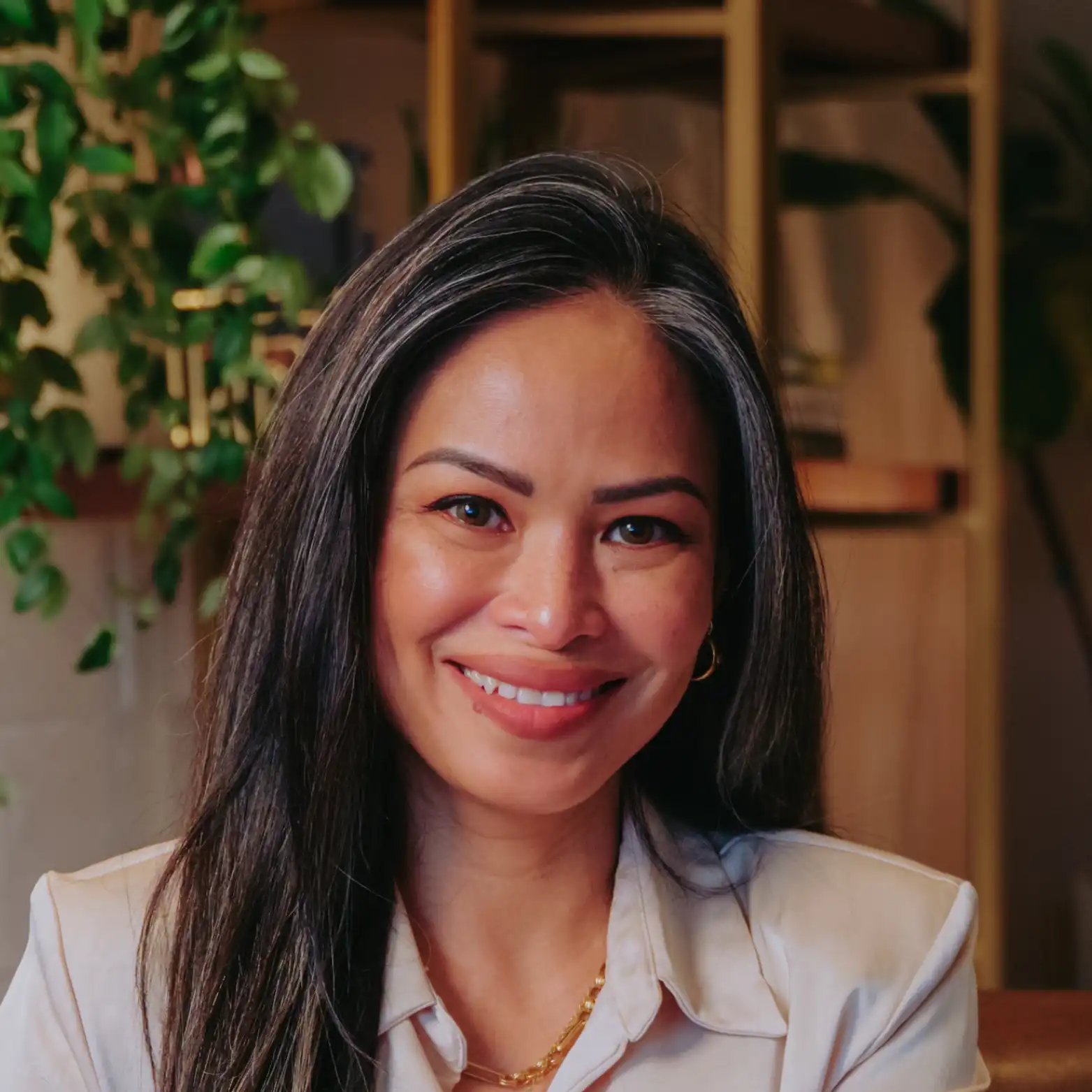
Grazel Garcia, LMFT
Licensed Marriage and Family Therapist, 15+ years. Certified EFT supervisor candidate. Specializes in interracial couples, LGBTQ+, trauma, grief, Brainspotting.

Sarah Liang, AMFT, APCC
Neurodiverse and queer-affirming therapist specializing in Emotionally-Focused Couples Therapy (EFCT). Relational, systems-informed approach.

Arami James, AMFT
Culturally responsive therapist working with individuals and couples on interracial and intercultural relationship dynamics — fostering understanding and connection.
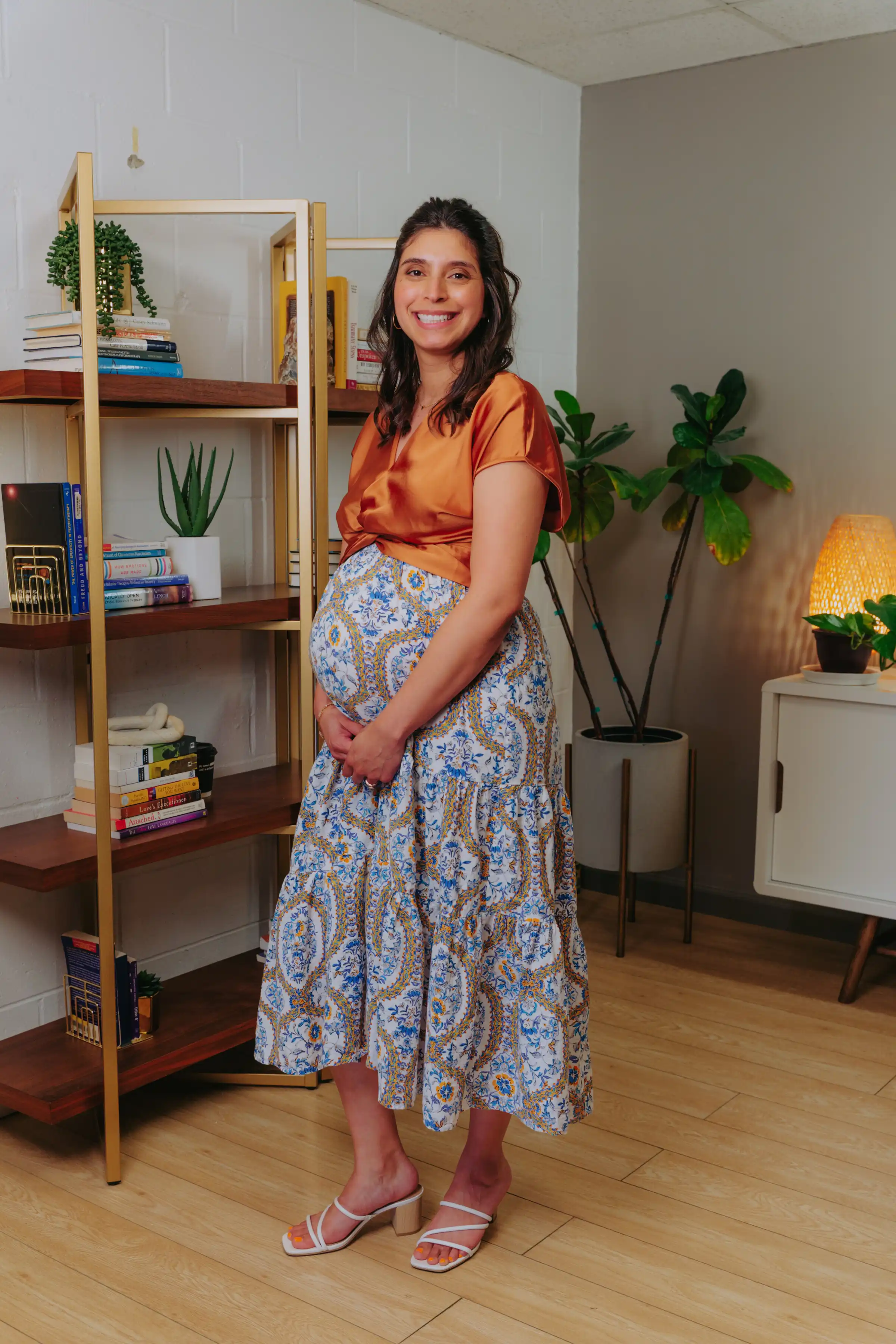
Tiffany Cuevas, AMFT
LGBTQIA+ affirming therapist specializing in identity, relationships, and personal growth. Compassionate, non-judgmental space for couples exploring relationship dynamics.

Meet the Grayslate team
Click below to see all our current therapists along with their full profiles and specialties.

Marriage Counseling for Emotional Distance and Resentment
Not every struggling marriage is marked by loud conflict. Some couples are hurting through silence, avoidance, or emotional distance. Partners may still function well together in daily life while feeling lonely, unseen, or unsure how to reach each other.
Resentment often builds when hurt, disappointment, unequal labor, or unmet needs go unnamed for too long. One partner may feel like they are always asking for change. The other may feel like nothing they do is enough. Over time, both partners can begin protecting themselves from disappointment by expecting less, sharing less, or turning away.
Marriage counseling for emotional distance helps couples name what has been avoided. It can create a safer space to talk about loneliness, grief, anger, longing, and fear without those feelings immediately turning into blame.Reconnection often begins with rebuilding emotional safety in relationships. When partners feel safer being honest, they are more likely to share what hurts, ask for what they need, and stay present during difficult conversations.

Marriage Counseling for Trust Issues and Repair
Trust issues in marriage can come from many experiences: betrayal, secrecy, broken agreements, emotional withdrawal, financial dishonesty, repeated disappointments, or feeling that a partner has not followed through when it mattered.
In these situations, marriage counseling helps couples slow down the repair process rather than rushing toward “moving on.” Repair often requires understanding what was damaged, what accountability looks like, and what the hurt partner needs in order to feel emotionally safer. It may also require understanding the context in which the breach happened without using that context to excuse harm.
Marriage counseling after betrayal can support couples who are trying to decide whether rebuilding is possible. Some couples use therapy to work toward renewed trust. Others use it to gain deeper understanding about what each person needs and whether the relationship can continue in a healthy way.For couples in this process, learning more about rebuilding trust after betrayal may offer helpful context alongside therapy.
You might be asking…
Does Marriage Counseling Work?
Marriage counseling can be helpful when both partners are willing to participate honestly, reflect on their own patterns, and practice new ways of relating outside of sessions. It’s most effective when the goal is not simply to change the other person, but to understand the cycle both partners have become part of.
That does not mean both partners need to arrive with equal hope or certainty. One partner may feel more ready than the other. One may feel guarded, hurt, skeptical, or afraid of being blamed. Those feelings can be part of the work.
Marriage counseling does not guarantee a specific outcome. Progress may look like calmer communication, more emotional honesty, clearer boundaries, renewed affection, greater accountability, or a more realistic understanding of the future. Sometimes therapy helps couples repair and reconnect. Sometimes it helps them make more honest decisions about what is possible.
In either case, marriage therapy can help couples move from reactivity and confusion toward a more loving and steady partnership.


What to Expect in Marriage Counseling

Understand the pattern
Marriage counseling often begins with an exploration of the couple’s history, current concerns, and goals for therapy. A therapist may ask about how the relationship began, what has felt strong, what has changed, and what each partner hopes will be different.

Prepare the ground
Sessions may explore conflict patterns, emotional closeness, intimacy, trust, parenting stress, family dynamics, and communication. Both partners are given space to share their experience. A therapist helps slow the conversation down so the couple can see not only what they are arguing about, but how the argument unfolds.

Heal together
Marriage therapy may include guided conversations, emotional reflection, communication tools, repair work, and support identifying patterns that keep the couple stuck. The therapist’s role is not to take sides or decide who is the problem. The role is to help the couple understand the relationship dynamic and create more room for honesty, accountability, and connection.
You’re in good hands
What If One Partner Is Unsure About Marriage Counseling?
It is common for one partner to feel more ready for marriage counseling than the other. Hesitation may come from fear of being blamed, discomfort with vulnerability, shame about the relationship, uncertainty about whether change is possible, or past therapy experiences that did not feel helpful.
Marriage counseling when one partner is unsure can still be valuable. Both partners do not need to know exactly what they want before beginning. Therapy can offer a space to understand the hesitation itself: What feels risky about coming in? What does each partner fear might happen? What would need to feel different for the process to feel safe enough to try?
Sometimes the first step isn’t solving the marriage, but instead creating enough structure and safety for both partners to speak more honestly about where they are.
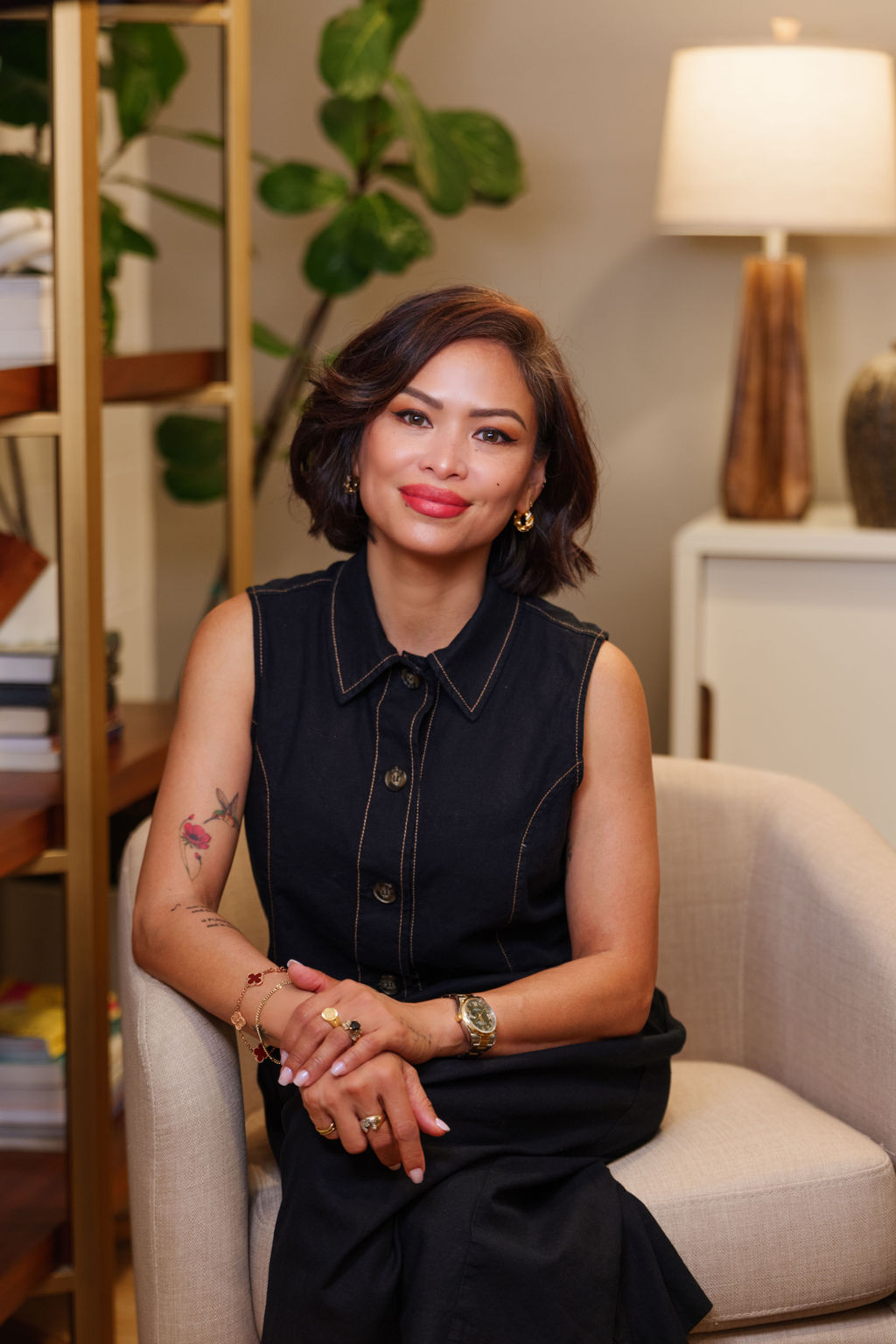

Grayslate is an exceptional, culturally attuned practice that truly embodies compassion and depth. Grazel and her team create a space that honors each client’s unique story while integrating relational, trauma-informed, and liberatory approaches. Their commitment to inclusivity, accessibility, and social justice is evident in every detail, from their bilingual, LGBTQIA+-affirming care to their work with creatives and diverse communities. This is a practice that genuinely listens, heals, and empowers.
Kate Behzadi, LMFT
The difference matters
Marriage Counseling vs. Couples Therapy
Marriage counseling is a focused form of couples therapy for married partners. It often centers on the patterns, commitments, stressors, and responsibilities that develop within marriage, including communication, conflict, intimacy, resentment, parenting, family boundaries, trust, and long-term repair.
Broader couples therapy can support partners at many stages of relationship, including dating, engagement, long-term partnership, separation, or repair. Marriage counseling sits within that broader category but speaks specifically to married couples and the challenges that can emerge over time, as a marriage is a unique form of a relationship.
For couples preparing for marriage rather than navigating current marital strain, premarital counseling may be a better fit.
our couples Services
Related Support for Couples
Some couples seek marriage counseling after years together. Others begin relationship support earlier through premarital counseling or broader couples therapy. The right form of support depends on the couple’s stage, concerns, and goals.
When personal history, trauma, anxiety, depression, or emotional patterns are affecting the marriage, individual therapy may also provide supportive space alongside couples work. Individual therapy is not a substitute for relationship repair, but it can help one partner better understand the experiences, fears, or protective responses they bring into the marriage.
Grayslate Therapy offers support for couples and individuals navigating communication challenges, emotional distance, conflict, trust concerns, and the deeper patterns that shape connection.
Couples Therapy
Help for couples at any stage of their relationship to find somewhere steady together, improve communication, and begin healing alongside each other.
Premarital Counseling
Support for couples who want to build a stronger foundation around communication, expectations, conflict, intimacy, and future planning before marriage.
Interracial Couples Therapy
Identity-aware support for couples navigating the impact of race, culture, family systems, and belonging on their relationship.
LGBTQ+ Affirming Couples Therapy
Inclusive couples therapy that is affirming, relationally attuned, and grounded in respect for lived experience.
Neurodiverse Couples Counseling
Support for couples affected by ADHD, autism, sensory differences, and communication or pacing mismatches, approached without blame or pathologizing.
Emotionally Focused Therapy
Learn more about EFT, the research-backed foundation of all our couples work. Proven to create lasting connection beyond the therapy room.
If you are unsure which path is right for your relationship,
we can help you decide where to start.
Read Our Most Recent Couples Therapy Blogs
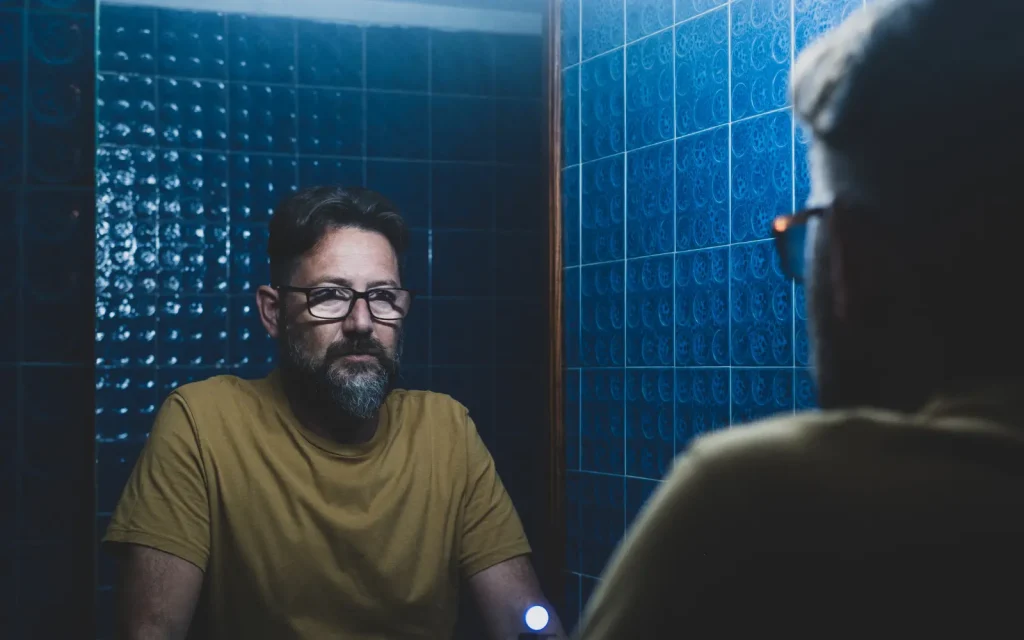
Gaslighting in Relationships
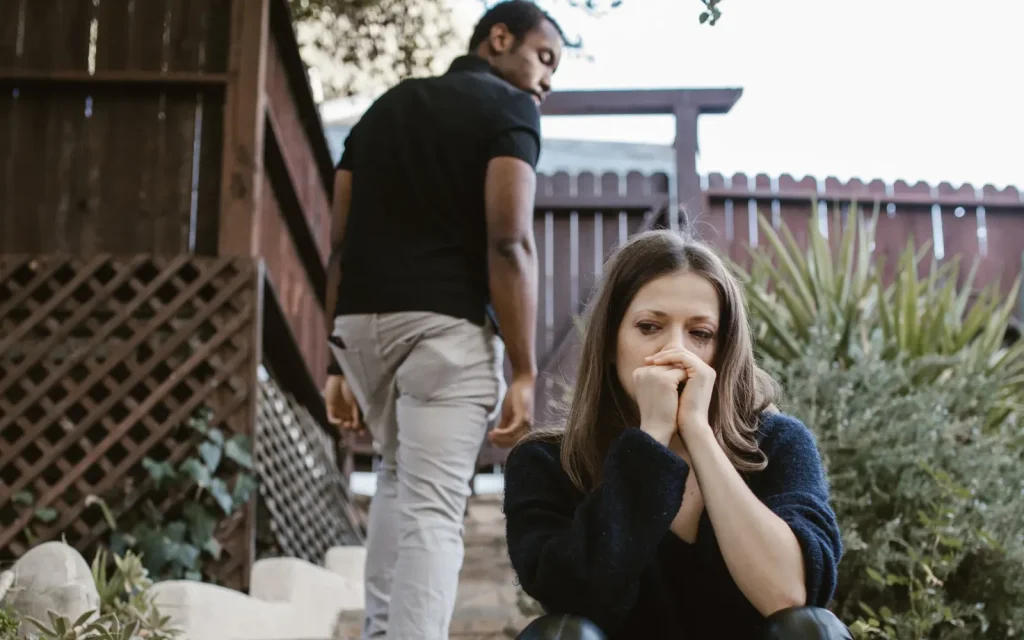
Healing After a Narcissistic Relationship

Trauma Bonding

Power Imbalances, Trust Erosion, & Relational Instability

How to Cope With Betrayal Trauma When Everything Feels Overwhelming
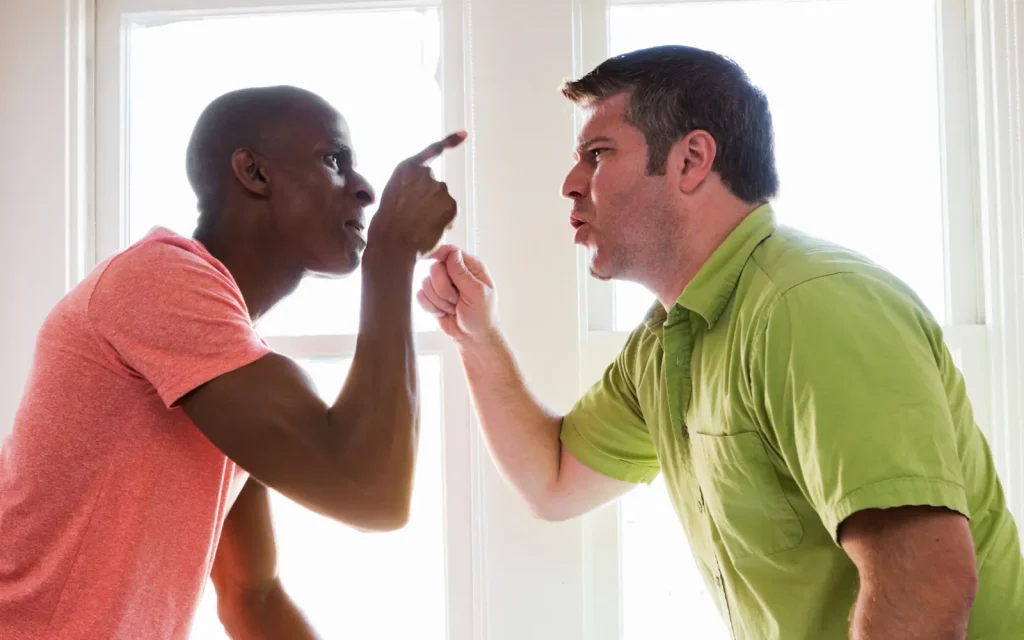
How to Handle Conflict in a Relationship Without Making It Worse

How to Repair a Relationship After a Fight (Without Making It Worse)
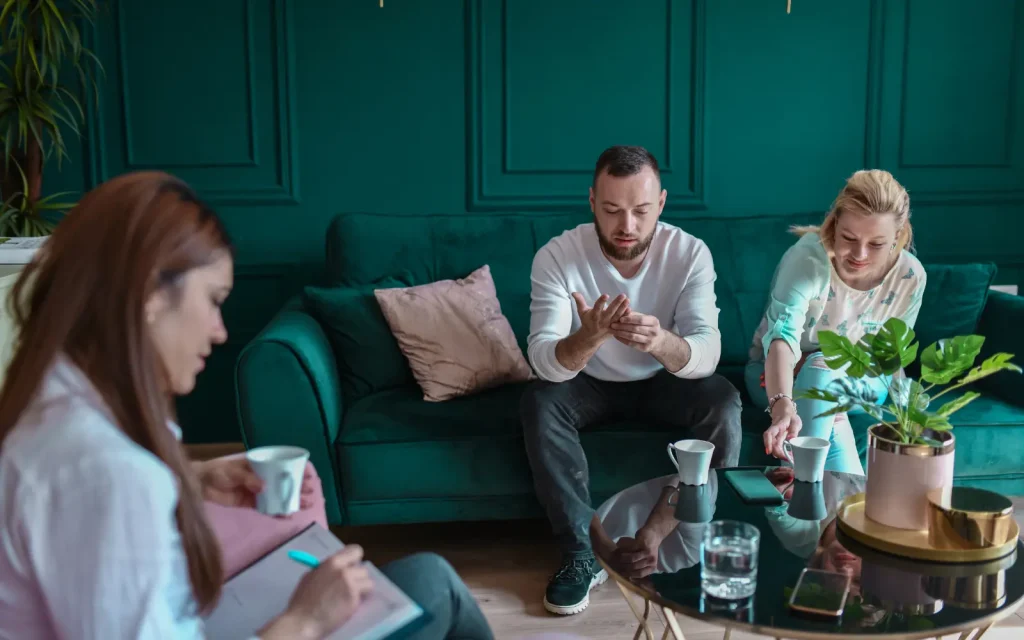
Rebuilding Trust After Betrayal: What It Takes and What to Expect
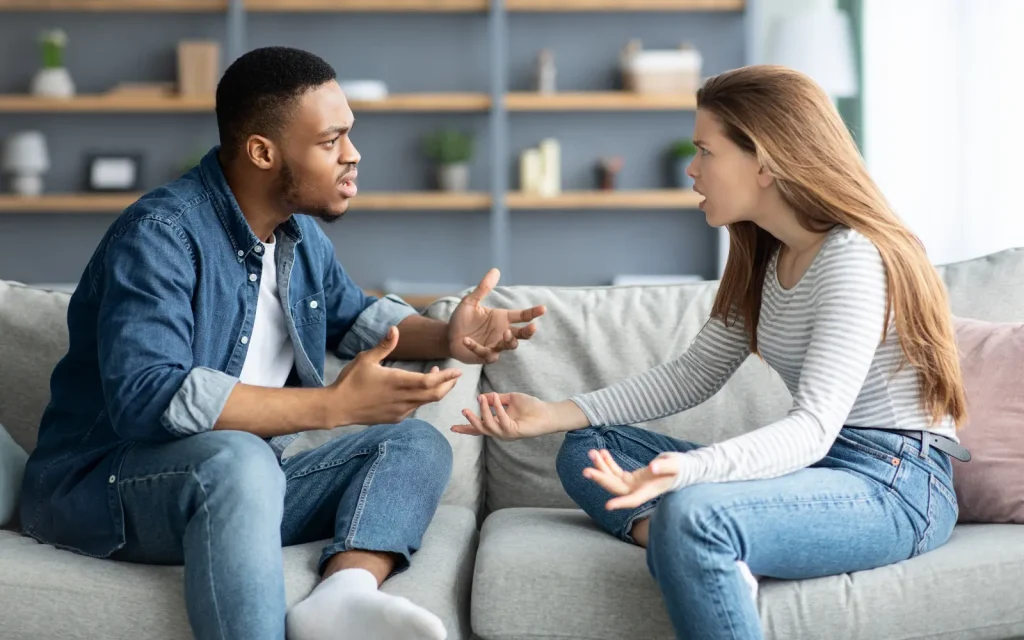
Why Couples Repeat the Same Fight (And What’s Really Going On)
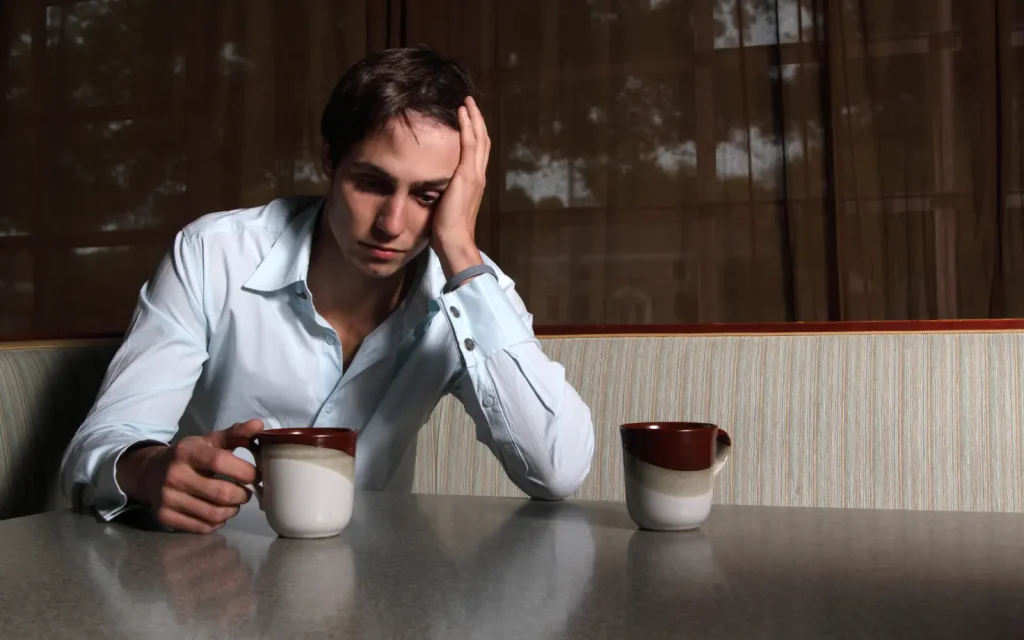
Betrayal Trauma in a Relationship
Relationship Conflict: Why It Happens, What It Means, and How Couples Heal

Betrayal Trauma: What It Is, Why It Hurts, and How Healing Begins
Questions
FAQs About Marriage Counseling
Your Relationship Deserves This
Start Marriage Counseling at Grayslate
Marriage can hold deep love, shared history, and commitment, while also bringing moments of distance, tension, disappointment, or repeated conflict. Marriage counseling gives you and your partner a place to slow down, understand what is happening beneath the surface, and begin relating to each other with more honesty and care.
Whether you are trying to reconnect after a difficult season, repair after hurt, improve communication, rebuild trust, navigate major life transitions, or stop having the same argument over and over, marriage counseling can help you work with the patterns that keep pulling you apart. At Grayslate Therapy, we offer marriage counseling in Los Angeles and online across California for couples who want thoughtful, compassionate support in strengthening their relationship.
Reaching out can feel vulnerable, especially when the relationship has been carrying pain for a while. It can also be the moment something begins to shift. Marriage counseling is not about deciding who is right or wrong. It is about creating space for each person to feel understood, take responsibility where needed, and move toward a relationship that feels more connected, honest, and steady.