

Neurodiversity-affirming individual Therapy · Los Angeles & Online California
Neurodiversity-Affirming Therapy in Los Angeles
— find somewhere steady
Maybe you’re exhausted from trying to function in ways that were never designed for your brain. Maybe you’re beginning to question whether ADHD, autism, or AuDHD could explain experiences you’ve carried for years…
We get you
At Grayslate, neurodiversity-affirming therapy offers room to understand yourself without judgment or pressure to appear more neurotypical.
You don’t need a formal diagnosis. You don’t need to mask.
You can start exactly where you are.
Individual therapy is available in Atwater Village and online across California.


Let’s start here
You shouldn’t have to teach your therapist how your brain works
Maybe you’ve been called lazy when starting a task felt physically impossible. Too sensitive when your nervous system was overloaded. Difficult when you needed clearer communication. Dramatic when rejection hit harder than anyone seemed to understand.
You may have tried therapy before, only to leave with advice that sounded sensible but didn’t fit your brain or your actual life. “Just make a schedule.” “Try harder to stay organized.” “Don’t overthink it.” Helpful in theory. Frustrating in practice.
Living this way can leave you second-guessing yourself. You might wonder why ordinary responsibilities take so much energy, why you keep reaching burnout, or why being around other people can feel like a performance.
We get it
The problem isn’t that you haven’t tried hard enough.
Therapy can help you understand your patterns without reducing everything to motivation, willpower, or personal failure.
What neurodiversity-affirming therapy actually means
Neurodiversity-affirming therapy recognizes that there are many natural ways for a brain to process information, emotion, communication, sensory input, and relationships.
The word neurodivergent may describe an individual whose mind works differently from what society considers typical. Neurodiverse describes a group or community that includes more than one neurotype.
An affirming approach does not treat neurodivergence as something that must be corrected. It also doesn’t pretend that every difference feels easy or empowering. ADHD, autism, AuDHD, learning differences, and related experiences can involve genuine disability, distress, and support needs, especially in environments that expect everyone to function in the same way.
Therapy gives us room to separate several things that often become tangled together: your natural way of functioning, the strategies you’ve developed to survive, and the shame or criticism you may have absorbed along the way.
The goal isn’t to make you seem more neurotypical. It’s to help life work better for you.
That can include understanding your needs, communicating more directly, recovering from burnout, making realistic changes, and developing a more compassionate relationship with yourself.

Support for ADHD, autism, AuDHD, and other neurodivergent experiences
Grayslate works with neurodivergent adults and adults who are still figuring out what that word means for them.
You may identify with:
Some clients come to therapy with a childhood diagnosis. Others discover their ADHD or autism much later, often after years of anxiety, exhaustion, perfectionism, or feeling quietly out of step. Some have no formal diagnosis and aren’t sure they want one.
You’re welcome here with a diagnosis, without one, or while you’re still asking questions.
Therapy is not an assessment process, and your therapist won’t assume that every difficulty is caused by neurodivergence. Instead, we’ll get curious about your experience and consider the full context of your life.
When both partners want support understanding how neurodivergence affects their relationship, Grayslate also offers neurodiverse couples counseling.
What may be bringing you to therapy
There is no single neurodivergent experience. Your needs may change depending on your environment, relationships, identity, health, stress level, and the support available to you.
Masking and losing touch with yourself
You may have spent years studying other people, rehearsing conversations, suppressing movement, hiding confusion, or forcing yourself through uncomfortable situations.
Masking can help you stay employed, avoid criticism, or feel accepted. It can also become so automatic that you’re no longer sure what feels natural. Therapy can help you notice where you’re performing, what that performance costs, and where it may feel possible to show up more honestly.
Autistic or neurodivergent burnout
Things that used to be manageable may suddenly feel impossible. Your energy, speech, focus, tolerance for noise, or ability to complete everyday tasks may have changed.
Therapy can help you understand the demands contributing to burnout, reduce unnecessary pressure, and rebuild routines around your actual capacity rather than the capacity you think you’re supposed to have.
Emotional intensity and rejection sensitivity
A small sign of disapproval can sometimes feel enormous. You may replay interactions, assume someone is upset, or struggle to settle after conflict. Therapy can help you slow these moments down, understand the fears beneath them, and respond without dismissing how deeply they affect you.
Neurodivergence can also affect relationships and social dynamics, especially when communication differences are repeatedly mistaken for disinterest, carelessness, or a lack of empathy.
Sensory overload and shutdown
Noise, light, clothing, touch, crowds, interruptions, or competing demands may overwhelm your nervous system. You might become irritable, panicked, foggy, quiet, or unable to respond.
We can work on recognizing overload sooner, communicating your limits, and creating recovery plans that don’t depend on pushing through.
Executive-function strain
Starting tasks, shifting attention, estimating time, remembering details, organizing steps, and following through can all become sources of stress.
Instead of treating these difficulties as laziness, therapy can help you identify what gets in the way and develop supports that are realistic enough to use.
Shame and internalized ableism
Years of being corrected or misunderstood can shape the way you talk to yourself. Why can’t I just do this? Why is everything so hard?
We can begin replacing those questions with more useful ones: What support is missing? What expectation needs to change? What is your nervous system trying to communicate?
Late diagnosis or late identification
Finding language for your experience can bring relief, grief, anger, and a lot of rethinking.
Therapy offers space to make sense of your past without letting a new label flatten the complexity of who you are.
Here’s the key
Therapy should adapt to how you process, communicate, and regulate
A therapist can call their work affirming and still expect you to participate in one rigid, neurotypical way. We take a more collaborative approach.
You’re allowed to tell us what helps. You’re also allowed not to know yet.
Depending on your preferences, sessions may include:
- A clear agenda or more predictable structure
- Direct language rather than hints or implied meaning
- Extra time to process a question before answering
- Written notes, visual tools, or summaries when useful
- Permission to move, fidget, stim, doodle, or change position
- Breaks when you’re overloaded or losing access to speech
- Flexible expectations around eye contact
- Reduced lighting or other sensory adjustments when possible
- Camera preferences during online sessions
- A slower pace when emotions or information begin piling up


Accommodations are not one-size-fits-all. Some people find structure calming; others feel boxed in by it. Some want practical tools, while others need time to understand the emotions beneath a pattern. Many need both.
We’ll check in about what is working rather than assuming that silence means comfort or compliance means agreement.
And if a therapeutic exercise doesn’t make sense, you don’t have to pretend that it does. We can adapt it, explain it differently, or try something else.

How Grayslate approaches neurodivergent individual therapy
Relationships don’t happen between two isolated people. Families, communities, faith traditions, languages, and migration histories can all shape what partnership is supposed to look like.
Our work is grounded in the idea that emotions make sense in context. Reactions that appear excessive, avoidant, or confusing from the outside often developed for a reason.
Grayslate clinicians receive training in Emotionally Focused Therapy, an attachment-based approach that helps people understand the emotional patterns shaping how they respond to themselves and others. Therapy may also draw from trauma-informed, psychodynamic, interpersonal, somatic, mindfulness-based, or practical approaches depending on the therapist and your needs. They are also trained heavily in neurodiversity affirming therapy by Grazel Garcia, a specialist in neurodiverse-affirming therapy.
We might explore what happens when you anticipate criticism, how your body signals overload, or why asking for help feels risky. We may also work on concrete concerns such as task initiation, boundaries, transitions, and communicating support needs.
Your culture, race, gender, sexuality, family history, finances, and access to care matter here too. Neurodivergence does not exist in a vacuum, and the same trait can be interpreted very differently depending on who is expressing it.
Good therapy should make room for your whole context, not pull one part of you out for treatment.


First steps
What to expect when therapy begins
The first step is a free 20-minute consultation. You can tell us what has been happening, ask questions, and share anything you already know about the kind of therapist you work best with.
You don’t need to give us your entire history during that call.
From there, we’ll thoughtfully match you with a clinician based on your needs, identities, preferences, and goals, rather than simply assigning the next available appointment.
During your early sessions, your therapist may ask about:
- What brought you to therapy now
- Previous experiences with therapy
- How neurodivergence affects your overall well being
- Communication and sensory preferences
- Current stressors and sources of support
- What you would like to feel different
- Accommodations that may make sessions easier
Most individual sessions are 50 minutes and commonly take place once a week. Frequency can be discussed with your therapist.
You set the pace. There is no expectation that you disclose painful experiences before trust has had time to develop.
A therapy practice built around affirmation and emotional safety
Grayslate is an LGBTQIA+-affirming, neurodiversity-affirming practice committed to culturally responsive and anti-oppressive care.
Our therapists work with clients whose identities and experiences are often misunderstood in traditional mental health settings, including neurodivergent, queer, trans, nonbinary, BIPOC, first-generation, and immigrant clients. Our clinical team receives ongoing training and supervision, with Emotionally Focused Therapy forming a shared foundation across the practice.
That doesn’t mean we assume we understand everything about you because we know a diagnostic label or share part of your identity.

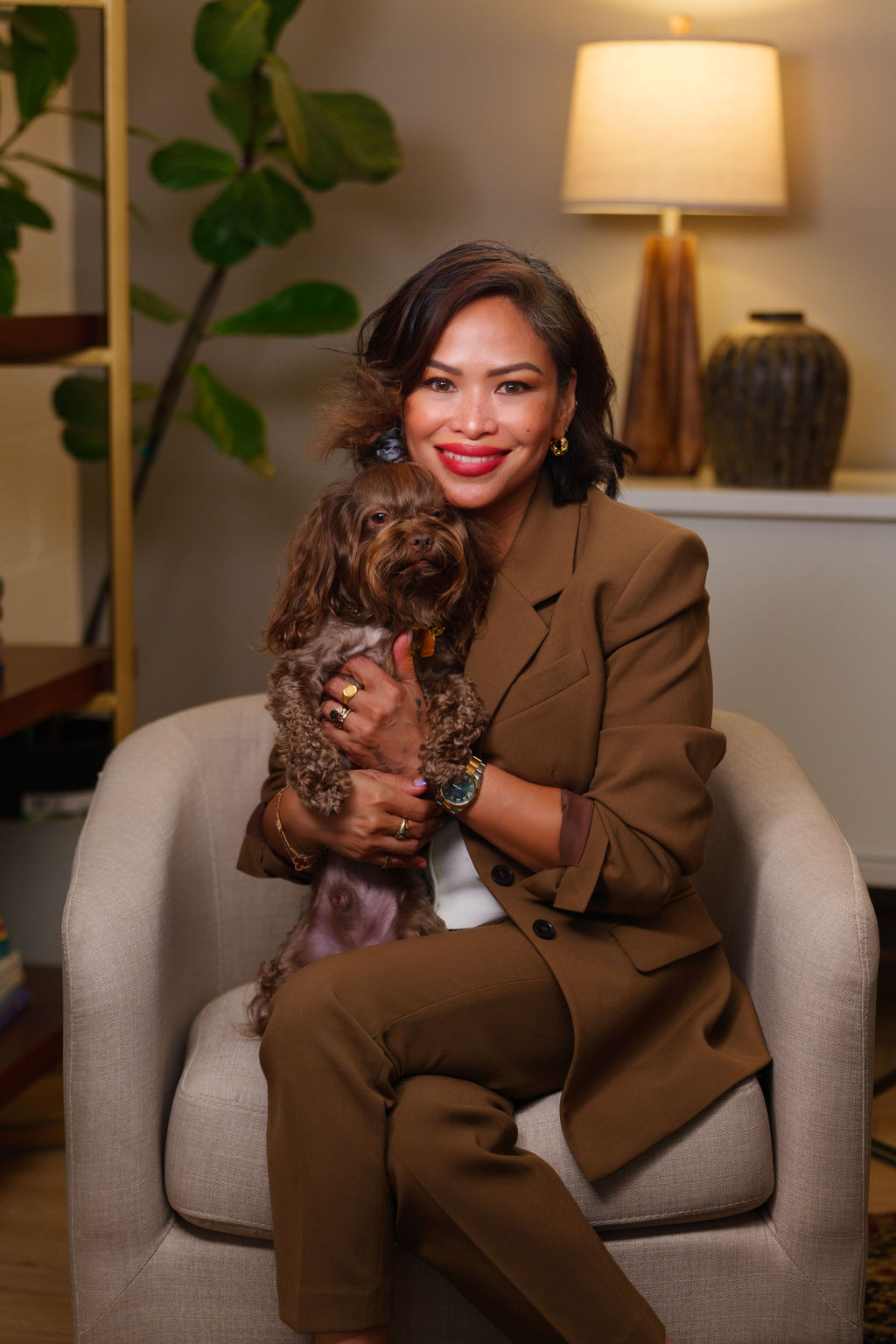
Affirming care starts with listening, not assuming.
We want to know what language feels right, how your identities intersect, what previous providers may have missed, and what helps you feel respected rather than managed.
We also know that therapist fit matters. If the first match doesn’t feel right, we can talk openly about what isn’t working and help explore another option within the practice.
Your Therapists
Meet our neurodiversity-affirming individual therapists
Our team includes licensed therapists, psychologists, and supervised associate clinicians with experience supporting neurodivergent adults.
Each clinician brings a different combination of training, lived understanding, therapeutic style, and areas of focus. Some work more experientially, helping you slow down and understand emotional patterns as they unfold. Others integrate more structure, direct feedback, or practical support.
Across the team, you can expect respect for different communication styles, sensory needs, gender identities, sexualities, cultures, and relationship structures.
You don’t need to choose a therapist by guessing from a row of headshots. During your consultation, we’ll ask what matters to you and recommend someone whose approach and availability appear to fit.
You can also review our therapist profiles before deciding. Feeling unsure is okay. The initial conversation is there to help you get a clearer sense of what you need.

Grazel Garcia, LMFT
Licensed Marriage and Family Therapist, 15+ years. Certified EFT supervisor candidate. Specializes in interracial couples, LGBTQ+, trauma, grief, Brainspotting.

Sarah Liang, AMFT, APCC
Neurodiverse and queer-affirming therapist specializing in Emotionally-Focused Couples Therapy (EFCT). Relational, systems-informed approach.

Arami James, AMFT
Culturally responsive therapist working with individuals and couples on interracial and intercultural relationship dynamics — fostering understanding and connection.

Tiffany Cuevas, AMFT
LGBTQIA+ affirming therapist specializing in identity, relationships, and personal growth. Compassionate, non-judgmental space for couples exploring relationship dynamics.

Meet the Grayslate team
Click below to see all our current therapists along with their full profiles and specialties.
Questions
Neurodivergent therapy FAQs
Your Deserve This
Find a therapist who makes room for the way your mind works
You’ve probably spent enough time trying to squeeze yourself into systems, expectations, and advice that don’t fit. Therapy can be different.
Book a free 20-minute consultation to tell us what you’re looking for and learn which Grayslate therapist may be a good match. Sessions are available in Atwater Village and online across California.
Individual sessions are available at our Atwater Village office and through secure online therapy for clients located anywhere in California.
Grayslate is a private-pay practice and does not bill insurance directly. Monthly superbills are available for clients who may qualify for out-of-network PPO reimbursement. Each clinician sets their own fee, and limited sliding-scale and pro bono spaces are reserved for clients from marginalized communities.
Our office is on the second floor and does not have an elevator. Accessible alternatives can be discussed during your consultation.
Questions about cost, access, or scheduling are welcome.