

Culturally-Affirming Therapy · Los Angeles & Online California
Interracial Couples Therapy in Los Angeles — where your ancestral story is welcomed
When you’re in an interracial relationship, your partnership exists at a powerful intersection of love, history, and cultural identity. These relationships are rich, complex, and deeply meaningful — but they also come with challenges that mainstream therapy rarely addresses.
At Grayslate, we understand how interracial relationships blend complex cultural legacies that have been shaped by society in different ways. We honor these differences without pathologizing them.
You might be facing moments of tension, communication breakdowns, or maybe you simply want to future-proof your relationship — our team offers a safe space where both of you can be fully seen.
You’re not imagining it, race can shape the way you’re heard

Why It Feels Different
Interracial relationships don’t exist separate from larger societal structures
There are many things influencing your relationship that you might be completely unaware of — things like historical legacies of colonization, power imbalances due to racial identity and society’s influence, or internalized messages about what is “normal” behavior or practice.
Partners from marginalized backgrounds often carry uneven emotional labor in their relationships, and historical trauma can show up many generations down the line.
If you’re an interracial couple, you’ve likely experienced misunderstandings that feel like they go beyond the two of you. Maybe a conversation about family or values suddenly feels emotionally loaded. Maybe you’ve felt isolated when friends or in-laws make comments that others write off as harmless. Or maybe you feel like your partner doesn’t quite get why a certain moment hurt as much as it did.
And it’s not because you don’t love each other.
It’s because identity doesn’t disappear in a relationship — it often shapes it.
You and your partner may have grown up with very different messages around trust, closeness, roles, or boundaries. You may interpret conflict, vulnerability, or respect through different cultural lenses. At Grayslate, we don’t sidestep race. We honor it, talk about it, and help you learn how to stay connected — even when your experiences don’t match.
Cultural Knowledge is a Strength
Your differences, when properly managed, can make you stronger
Each of you will bring unique and valuable cultural wisdom about relationships, conflict resolution, community, and healing. Those differences, when properly managed, can help you become stronger in your couple-ship.
Non-Western cultures often approach connection in beautiful ways. Cultural resilience, how you express love and care, and even community-centered relationship values may seem challenging to Western eyes — but there is no right way to do relationships. If you can accept and honor that, and find a middle ground, you will be brought closer than you ever imagined by forging a relationship that is uniquely ‘you.’
Is This You?
Signs Your Relationship Could Benefit from Culturally-Grounded Therapy
- —Talking about race always seems to leave one of you feeling misunderstood, or the other feeling unfairly blamed
- —One of your cultures keeps getting labeled as “exotic” or “different”
- —You’re both switching how you show up depending on who you’re around, and it’s wearing you down
- —You’re not sure how to raise kids in a way that truly honors both of your backgrounds
- —Family dynamics are tricky — especially when old biases or unspoken tensions show up
- —One of you always ends up explaining your culture, and it’s starting to feel like a burden
- —You want to build something that respects where you each come from, without repeating the same imbalances you’ve seen around you
What Interracial Couples Often Bring to Therapy
Every couple is different — but many share some version of this story
“I don’t feel understood when I talk about my race or identity.”
“We love each other, but we keep hitting the same wall when we talk about our families.”
“I’m scared to bring up something that might make my partner defensive.”
“I want to talk about how the world sees us without making it sound like I’m blaming them.”
“We’ve never talked deeply about race, and now we don’t know how to start.”
Therapy isn’t about deciding who’s right or wrong. It’s about helping both of you feel safe enough to share what’s really going on — and making space for your differences without letting them divide you.

How Therapy Helps
How Therapy Helps Interracial Couples Reconnect
When interracial couples start therapy at Grayslate, they often describe a growing distance between them. Not always dramatic. Sometimes it’s a silence, or a misunderstanding that doesn’t get repaired, or a sense of being cautious with each other when you used to feel close.
Our work begins by slowing things down. We look at what happens in those moments of disconnect — not just the words you say, but what’s happening underneath. What emotions are driving the reactions? What stories or cultural experiences shape how each of you responds?
You can expect to develop skills to recognize when external systems of oppression are influencing your relationship dynamics, develop your ability to hold space for different cultural expressions of love and care, and find ways to support each other through experiences of racism or cultural erasure. You’ll build relationship rituals that honor both heritages, strategies for dealing with unsupportive family or community, and a relationship that challenges harmful power dynamics.
This isn’t about blaming your background.
It’s about recognizing how your lived experiences show up in the room — and learning how to reach for each other anyway.
Our Method
Our Approach: Decolonizing Couples Therapy
01
Centering Multiple Ways of Knowing
- —Challenge Western-centric definitions of “healthy relationships”
- —Acknowledge how colonization has shaped family systems across cultures
- —Honor Indigenous and non-Western relationship wisdom
- —Address the impact of historical trauma on current relationship patterns
02
Creating True Safety for Both Partners
- —No cultural framework is positioned as superior or “normal”
- —The impacts of racism and colonization are acknowledged
- —Both partners’ full cultural identities are honored
- —Neither partner bears the burden of educating the therapist
03
Reimagining Therapeutic Frameworks
- —Help couples recognize how attachment needs differ across cultures
- —Help couples author relationship stories that challenge dominant narratives
- —Address how social inequalities affect intimate relationships
- —Examine how power differences in society manifest in relationship dynamics
Your Therapists
Meet Our Interracial Therapy Team
At Grayslate, every one of our therapists is deeply committed to supporting interracial couples through a culturally responsive and emotionally attuned lens.
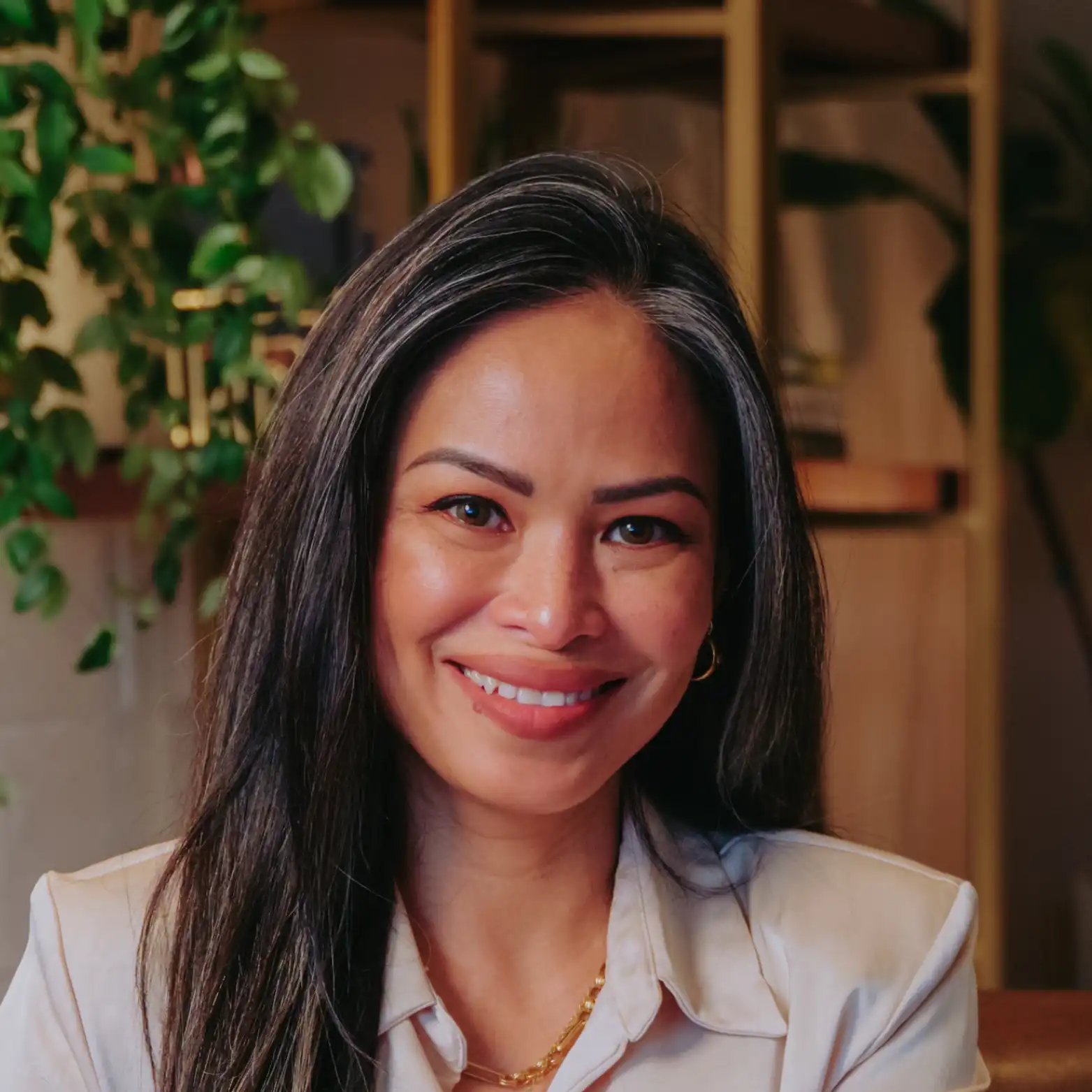
Grazel Garcia, LMFT
Grazel is a certified Emotionally Focused Couple Therapist and EFT Supervisor candidate with extensive experience working with diverse relationship structures. Her practice is rooted in LGBTQIA+ affirmation, neurodiverse-affirming approaches, and kink-BDSM awareness. She specializes in grief and loss, addiction, domestic violence, and trauma treatment.

Dr. Tyler Howard, PsyD
Dr. Howard is a clinical psychologist providing LGBTQIA+ and neurodiverse-affirmative psychotherapy to individuals and couples, focusing on gender and sexual identity, trauma, anxiety, and life transitions. She integrates psychodynamic and cognitive-behavioral approaches with a focus on social healing.
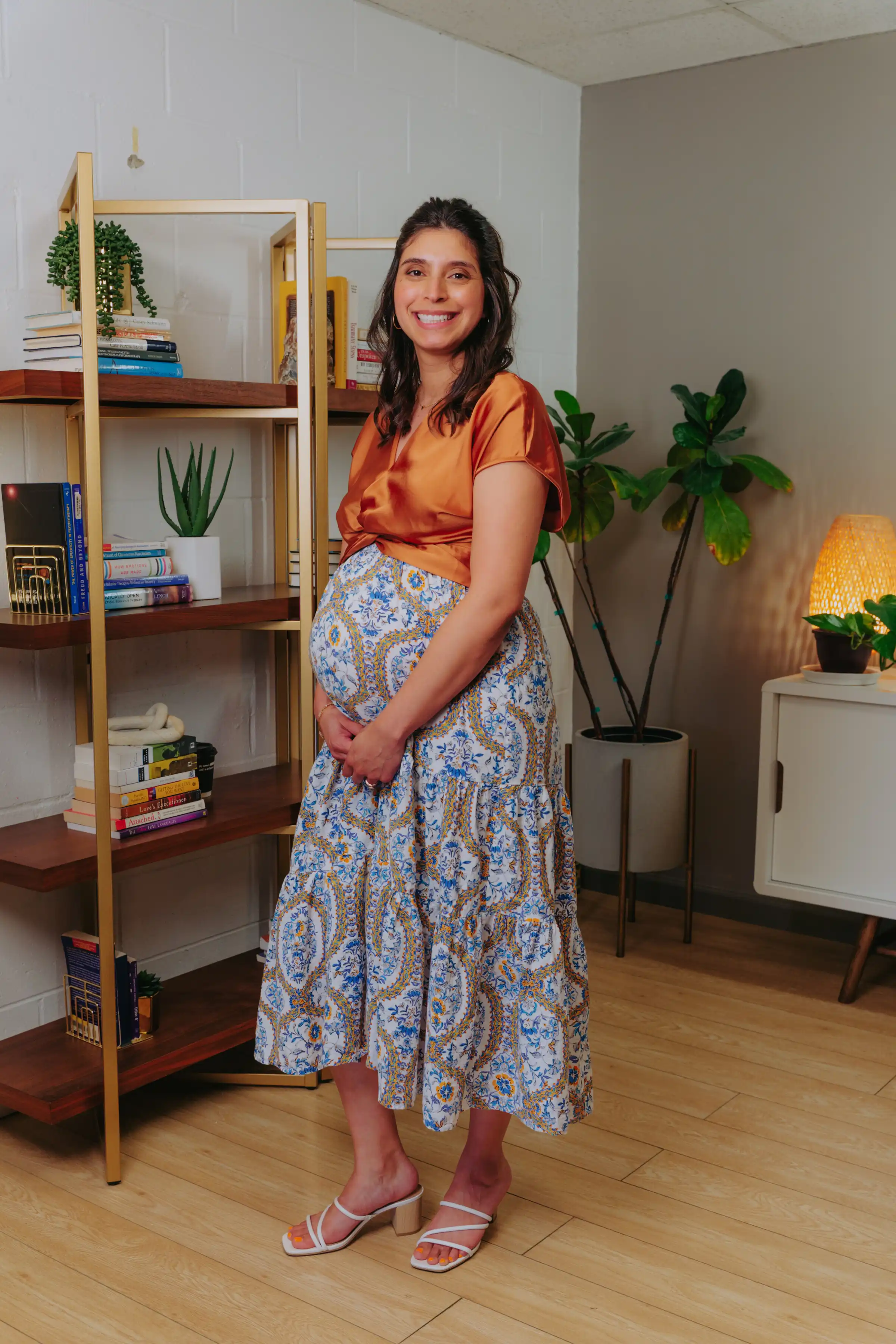
Tiffany Cuevas, AMFT
Tiffany is an LGBTQIA+ and neurodiverse-affirming therapist specializing in Emotionally Focused Therapy. She works with individuals and couples, offering a compassionate, attachment-focused approach to relationship dynamics and emotional processing.

Arami James, AMFT
Arami offers LGBTQIA+ and neurodiverse-affirmative therapy for individuals, couples, and families. With a background in education and the arts, she integrates creativity, mindfulness, and somatic techniques. A first-generation Paraguayan-American, she brings multicultural expertise to identity and life transitions.
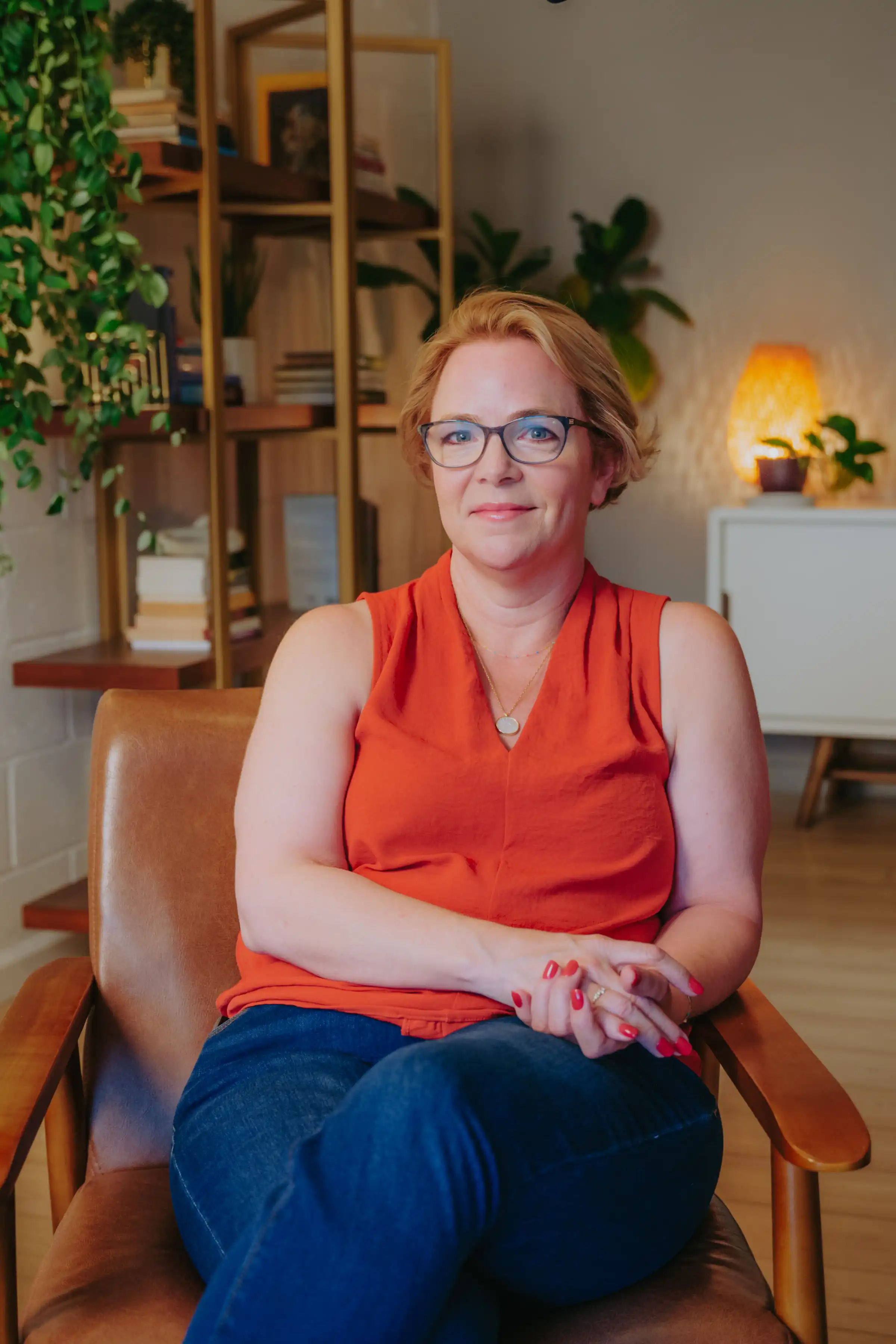
Samantha Lam, AMFT
Samantha is a neurodiverse and LGBTQIA+ affirmative therapist trained in Emotionally Focused Therapy for Individuals (EFIT) and Couples (EFCT). She also utilizes Brainspotting and Havening techniques for trauma care, approaching therapy through a non-pathologizing attachment lens.

Sarah Liang, AMFT, APCC
Sarah is a neurodiverse and queer‑affirming therapist specializing in Emotionally-Focused Couples Therapy (EFCT). Her approach is relational and systems-informed, tailoring evidence and attachment-based practices to each client’s unique needs.

Why Couples Choose Grayslate for Interracial Couples Therapy
Why Grayslate
Your therapy experience should reflect the diversity of Los Angeles
Los Angeles is one of the most diverse cities in the country — and we believe your therapy experience should reflect that. Our therapists are not only trained in EFT, but also deeply attuned to issues of race, power, privilege, and cultural identity. We have all received specialized education in culturally-grounded approaches to healing — and our team are multicultural themselves, so we’ve been where you are.
We don’t minimize the impact of microaggressions or racial trauma. We don’t expect you to explain everything. And we don’t try to make every issue “neutral.” Instead, we honor the specific context you bring and support you in building a relationship that works for both of you.
We commit to ongoing learning about cultural humility and anti-oppressive practice, while recognizing that no therapist can be an expert in all cultural contexts. We maintain openness to learning from clients’ expertise about their own experiences. Whether you’ve been together for two months or two decades, you’re welcome here.

If you’re tired of feeling like you’re having the same argument (or no argument at all) and you want support from someone who gets it — we’d love to hear from you.
Sessions are available in-person in Los Angeles or online throughout California.
Common Questions
Interracial Therapy FAQs
What is interracial couples therapy?
Interracial couples therapy is a form of couples counseling that supports partners from different racial or cultural backgrounds in navigating issues related to identity, communication, and connection. It helps couples better understand how their differences shape their relationship and how to strengthen their bond.
Is interracial couples therapy different from regular couples therapy?
The goals may be similar — rebuilding connection, improving communication, healing hurt — but interracial couples therapy brings a deeper awareness of how race, culture, and systemic influences affect the relationship. Therapists at Grayslate are trained to work with these dynamics directly and compassionately.
How do I know if therapy is right for us?
If you and your partner feel misunderstood, stuck in the same arguments, or hesitant to talk about race or identity for fear of conflict, therapy can help. Even if you’re doing well, therapy can also help you prepare for future transitions like marriage, parenting, or moving in together.
What if one of us is nervous about going?
That’s very normal. Many couples worry about being blamed or judged. At Grayslate, we never take sides. Our focus is on the cycle you’re caught in, not who’s at fault. We go at your pace and honor each partner’s experience equally.
Can we do therapy if we live outside Los Angeles?
Yes. Grayslate offers virtual sessions for couples across California. Whether you’re in LA or elsewhere in the state, we can meet you where you are.
Your Love Deserves Support
Your love deserves to be celebrated — not just survived
Book a free 20-minute consultation — in person in Atwater Village or online across California.