

Interracial Couples Therapy · Los Angeles & Online California
Interracial Couples Therapy in Los Angeles
— reconnecting starts here
Calm, rooted, compassionate care for Californian couples
Cross-cultural love is hard
Your relationship doesn’t exist outside race, culture, family, or history. Therapy shouldn’t ask either of you to leave those parts of yourselves at the door.
At Grayslate, interracial couples therapy makes room for the full story of your relationship: what brings you together, where you feel misunderstood, and how the world around you affects the way you love each other.
Meet with us in Atwater Village or online anywhere in California. Start with a free 20-minute consultation.

Let’s start here
You Shouldn’t Have to Explain Why This Matters
You love each other. That doesn’t mean conversations about race, family, or culture always come easily.
Maybe one of you shares a painful experience and leaves the conversation feeling dismissed. Maybe the other gets defensive, freezes, or worries that one wrong word will make things worse. Perhaps a relative’s comment crossed a line, but you can’t agree on what should happen next.
Over time, these moments can start to feel bigger than the original disagreement. One partner may feel unseen or unprotected. The other may feel blamed, helpless, or shut out. Both of you can end up bracing for a fight before the conversation has even begun.
We get how layered this can be.
You can care deeply about each other and still struggle to understand how race, culture, and privilege affect your relationship. Therapy gives you somewhere to slow the conversation down and face those realities together.
What Is Interracial Couples Therapy?
Interracial couples therapy is relationship therapy for partners from different racial backgrounds. It can also support intercultural, interethnic, multinational, or multireligious couples whose identities, family histories, and cultural expectations shape the way they experience closeness and conflict.
Like other forms of couples counseling, the work may involve communication, trust, sex, intimacy, parenting, or recurring arguments. The difference is that culturally responsive couples therapy doesn’t treat your relationship as though it exists in a vacuum. It recognizes that racism, migration, religion, community expectations, and unequal experiences of power can all enter the room with you.
That doesn’t mean difference is a problem.
And the goal isn’t to make you more alike. It’s to help you understand what each partner’s experiences mean, repair the places where disconnection has taken hold, and build a relationship where neither person has to shrink important parts of themselves to belong.
When Race and Culture Become Painful Points of Disconnection
No two interracial or intercultural relationships are the same. Still, certain tensions can become especially hard to work through without support.
Conversations About Racism Keep Going Sideways
One partner may be looking for comfort, recognition, or solidarity. The other may hear criticism, become overwhelmed, or start defending their intentions. The conversation quickly turns into an argument about whether the hurt should count instead of what the hurting partner needs.
One Person Is Doing All the Explaining
It’s exhausting to repeatedly translate cultural context, point out microaggressions, or prove why an interaction caused harm. That imbalance can leave one partner feeling more like an educator than an equal participant in the relationship.
Your Cultural Expectations Don’t Line Up
Ideas about privacy, money, gender, independence, emotional expression, respect, and family responsibility aren’t universal. What feels caring to one partner may feel intrusive to the other. What feels direct and honest to one person may feel harsh or disrespectful to someone raised with different rules.
Family or Community Pressure Is Getting Between You
Relatives may make coded comments, question the relationship, exclude one partner, or expect traditions to be followed without discussion. You may agree that something is wrong but disagree about boundaries, consequences, or how much conflict with family is worth risking.
You’ve Stopped Talking About Race
Sometimes avoiding the subject feels like the only way to keep the peace. But silence has a cost. The arguments may stop while the distance quietly grows.
Therapy helps you have the conversation underneath the conversation, without reducing either partner to a stereotype or making one person solely responsible for fixing the relationship.
Here’s the key
Race Doesn’t Stay Outside the Relationship
Two people can walk into the same restaurant, family gathering, workplace event, or neighborhood and experience it very differently.
One partner may be watched, questioned, stereotyped, or treated as though they don’t belong. The other may not notice what happened at all. When the couple talks about it later, the difference in perception can become its own injury.
Privilege doesn’t mean a person has never struggled. It means there may be particular forms of harm they haven’t had to anticipate or recognize. Exploring that honestly can bring up fragility, guilt, shame, anger, or defensiveness. Those feelings are human, but they can’t be allowed to take over every conversation.
Therapy can help you distinguish intent from impact. A partner may not have meant to minimize an experience, repeat a stereotype, or leave the other person unsupported. But the impact can still hurt.
It can also help redistribute emotional labor. The partner most affected by racism shouldn’t have to remain endlessly calm, provide a reading list, or build an airtight case before their pain is taken seriously.


This work isn’t about deciding which partner is a good person and which one is the problem.
It’s about understanding what happened, taking responsibility where needed, and creating a response that feels more dependable the next time something difficult happens.

Your Relationship Is Part of a Larger Family and Cultural System
Relationships don’t happen between two isolated people. Families, communities, faith traditions, languages, and migration histories can all shape what partnership is supposed to look like.
You may be trying to navigate relatives who disapprove of the relationship or make comments that are easy to dismiss individually but painful in accumulation. One partner may feel caught between protecting the relationship and maintaining ties to family. The other may wonder, Why am I the one expected to keep letting this go?
Both may start feeling unseen or unprotected.
Intercultural couples may also need to make deliberate choices about weddings, holidays, religion, food, language, caregiving, and financial responsibility. There may be no ready-made script that feels right for both of you.
Questions about raising biracial or multiracial children can add another layer. You may want to help your children feel rooted in every part of their identity while preparing them for experiences you haven’t both lived.
Therapy doesn’t hand you one supposedly correct cultural arrangement. It helps you make thoughtful decisions as a team, set workable boundaries, and create traditions that genuinely reflect the family you’re building, bringing about more emotional safety.
Therapy That Makes Room for the Whole Relationship
Culturally responsive couples therapy goes further than telling you to communicate better. It helps uncover what happens emotionally when a difficult subject comes up and why the two of you keep getting pulled into the same positions.
One partner may raise a painful experience and reach urgently for reassurance. The other hears accusation, feels ashamed, and withdraws. That withdrawal then confirms the first partner’s fear that their experience doesn’t matter. Before long, both people are protecting themselves instead of reaching each other.
Grayslate’s approach is grounded in Emotionally Focused Therapy, an attachment-based model that helps couples recognize and change the negative cycle taking over their relationship. Rather than treating one person as the problem, the therapist helps both partners see the pattern and their part in it.
In therapy, you may work on:
We won’t pretend culture is irrelevant, and we won’t assume culture explains everything.
We’ll help you understand your particular relationship, with all its context, tenderness, contradictions, and strengths.
What the First Sessions Look Like

Understand Your Needs
Getting started begins with a free 20-minute consultation. You can share what has been happening, ask questions, and get a sense of whether Grayslate is a good fit. From there, we thoughtfully match you with a therapist whose training, experience, and approach align with your needs.

First Sessions
Early sessions usually focus on understanding the relationship as you’re actually living it. Your therapist will ask about the cycle that brings you into conflict, your relationship history, your racial, cultural and family backgrounds, and what each of you hopes will change.

Additional Support
If individual check-ins would support the assessment, your therapist will explain their purpose and how privacy and confidentiality will be handled before moving forward. Session length, frequency, fees, and scheduling will also be discussed clearly so you know what to expect.
Sessions are available in person at Grayslate’s Atwater Village office and through secure online therapy across California.
You don’t need perfect language, complete agreement, or a neatly organized version of the problem.
You just need somewhere honest to begin.
A Therapist Who Won’t Ask You to Educate Them From Scratch
The right therapist should be able to discuss race directly, recognize cultural differences without stereotyping, and support both partners without becoming neutral about harmful behavior.
Grayslate’s couples therapists bring multicultural lived experience, culturally responsive training, and an attachment-based understanding of relationships. Our team works affirmatively with BIPOC, LGBTQIA+, first-generation, immigrant, and neurodiverse communities.
That doesn’t mean we’ll assume we already know your story.
Your relationship deserves curiosity, not conclusions. Your therapist will take time to understand how race, nationality, religion, gender, sexuality, family history, and other identities matter to each of you.
The goal is for both partners to feel respected while making room for honesty, accountability, and meaningful change.
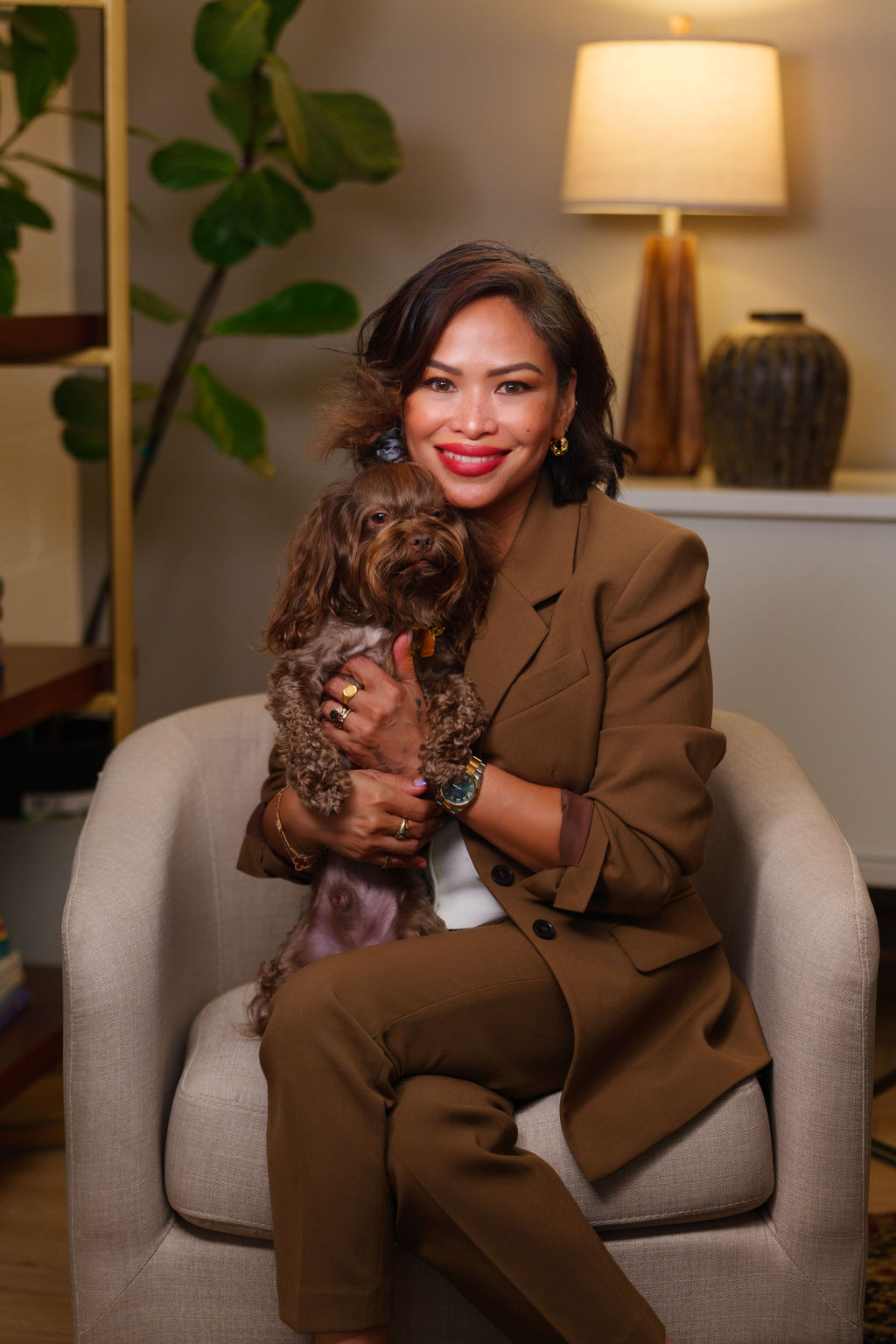
Your Therapists
Our Interracial Couples Therapists in Los Angeles
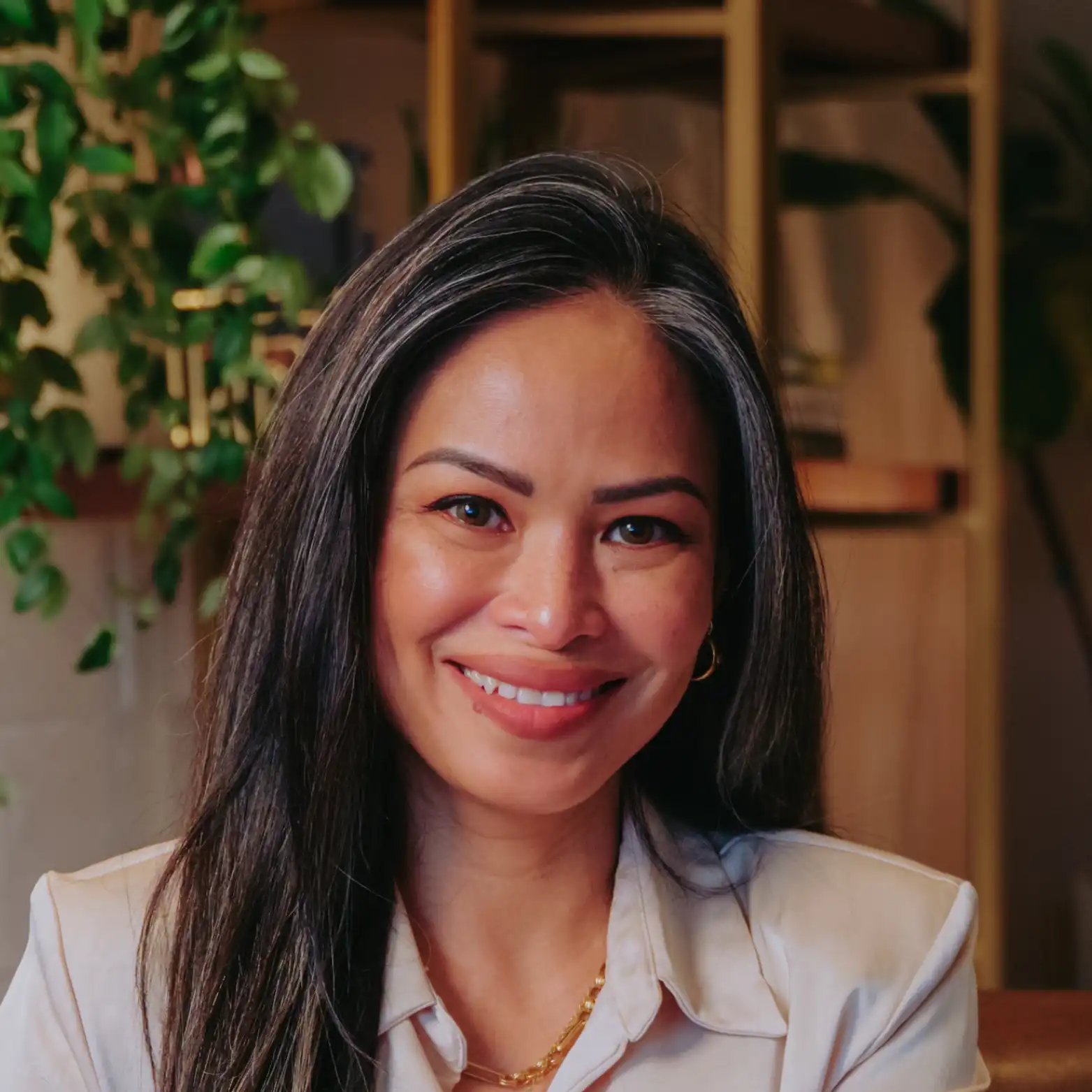
Grazel Garcia, LMFT
Licensed Marriage and Family Therapist, 15+ years. Certified EFT supervisor candidate. Specializes in interracial couples, LGBTQ+, trauma, grief, Brainspotting.
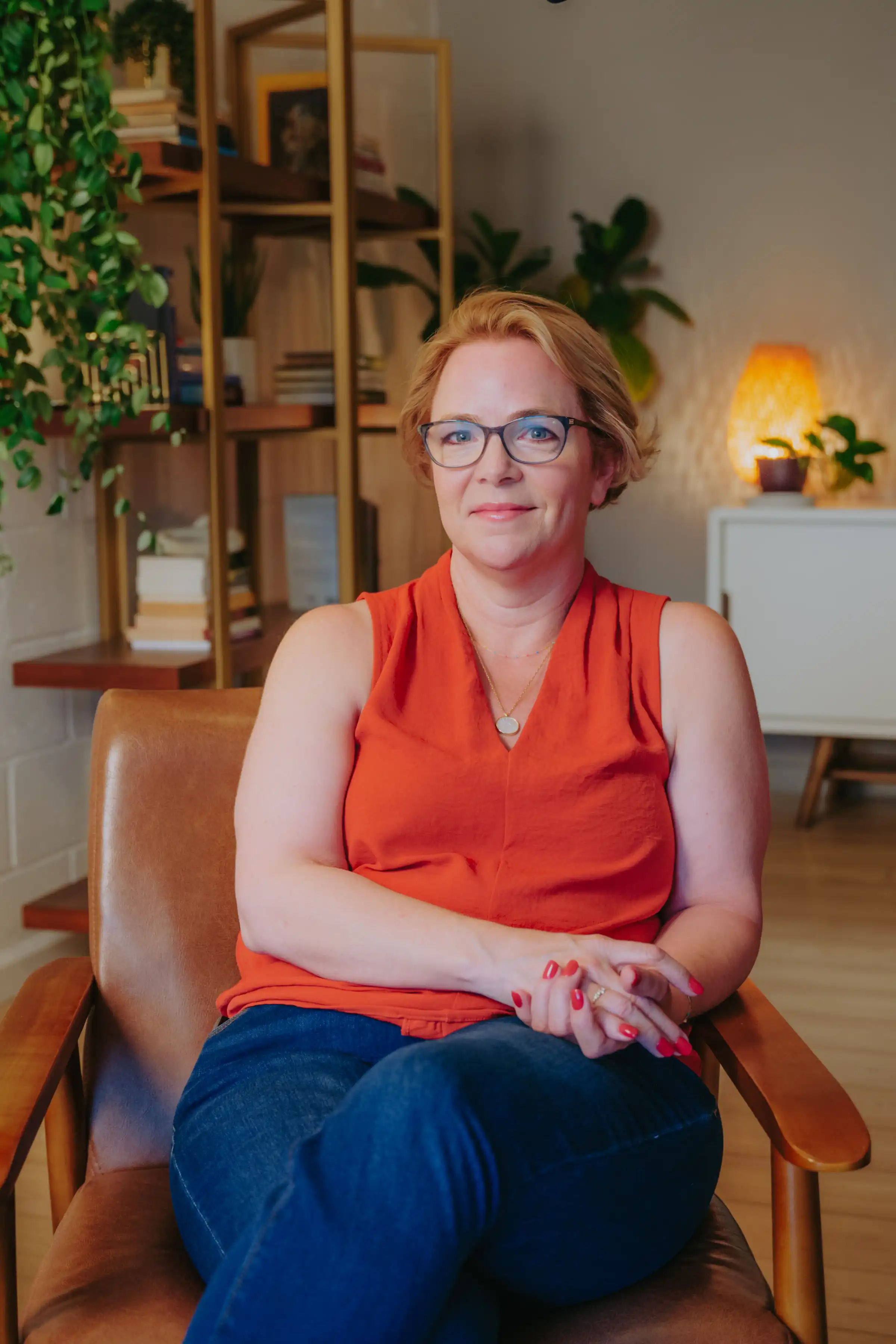
Samantha Lam, LMFT
Neurodiverse-affirming couples therapist with a holistic, attachment-based approach. Supports neurodivergent individuals and couples in identifying patterns and building connection.

Arami James, AMFT
Culturally responsive therapist working with individuals and couples on interracial and intercultural relationship dynamics — fostering understanding and connection.
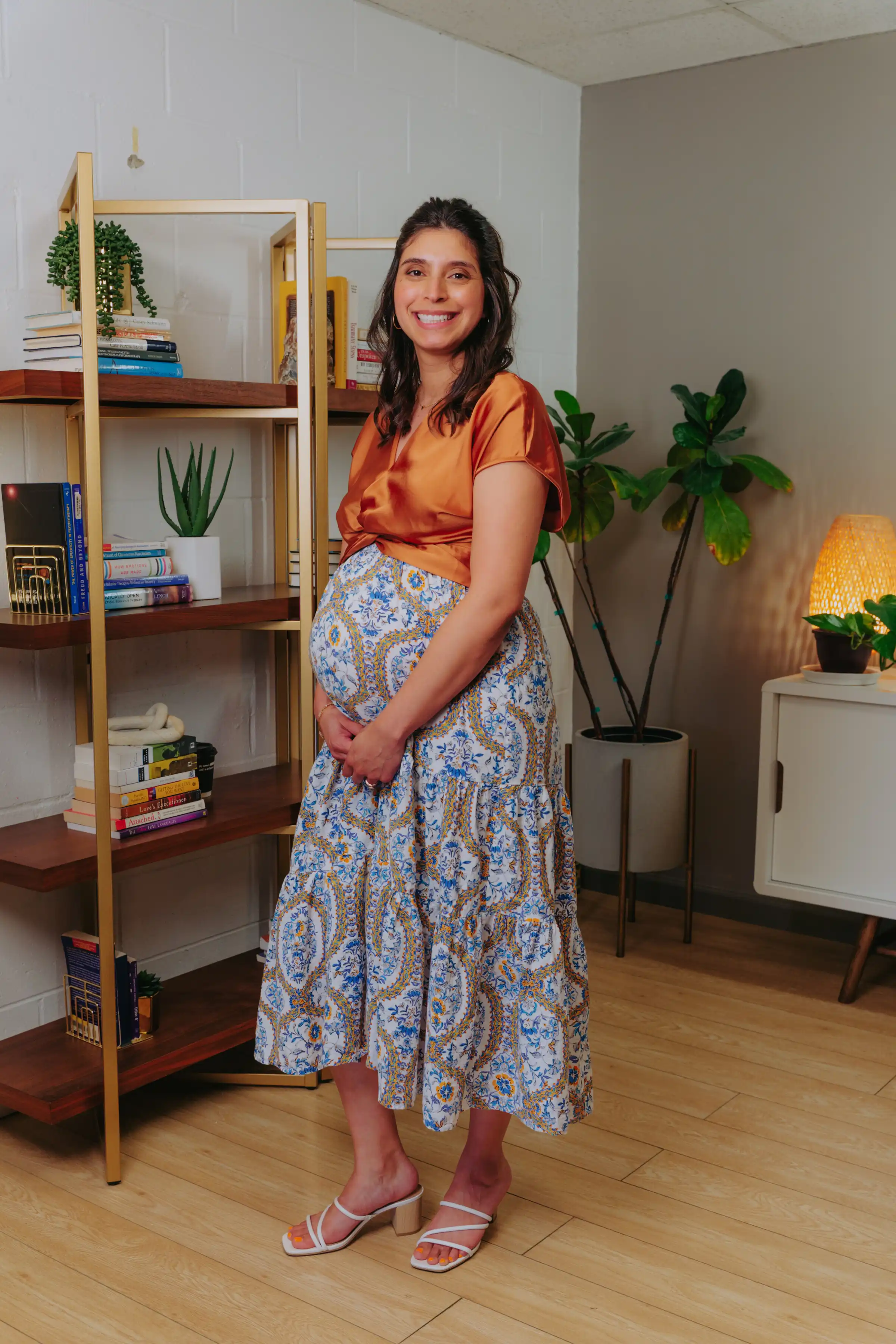
Tiffany Cuevas, AMFT
LGBTQIA+ affirming therapist specializing in identity, relationships, and personal growth. Compassionate, non-judgmental space for couples exploring relationship dynamics.

Sarah Liang, AMFT, APCC
Neurodiverse and queer-affirming therapist specializing in Emotionally-Focused Couples Therapy (EFCT). Relational, systems-informed approach.

Meet the Grayslate team
Click below to see all our current therapists along with their full profiles and specialties.
Questions
FAQs About Interracial Couples Therapy
Your Relationship Deserves This
Make More Room for Both of You
Maybe you’re worried a therapist will minimize race, misunderstand your cultures, or quietly take sides. Those concerns make sense. You deserve support that can hold the love between you and the realities surrounding your relationship.
You don’t have to keep circling the same painful conversation alone.
Schedule a free 20-minute consultation with Grayslate. Meet with us in person in Atwater Village or online anywhere in California.